Introduction
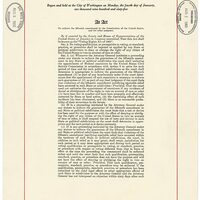
Voting Rights Act of 1965
The original Voting Rights Act, signed into law on August 6th 1965 by president Lyndon B. Johnson
The Voting Rights Act (VRA) of 1965 was passed, in large part, as a remedy to the failings of the fifteenth amendment. Although the Fifteenth amendment successfully enshrined voting rights for African Americans in the constitution, it often failed at protecting those rights in practice; in lieu of de facto racial discrimination in voting, states implemented new practices from literacy tests to grandfather clauses explicitly aimed at preventing minorities from accessing their right to vote.
The VRA helped to mitigate the effects of these discriminatory practices by forbidding prerequisites to voting (§2) and enforcing a clearance system by which jurisdictions with sufficiently robust histories of racial discrimination in voting would have to seek approval from the federal government before making changes to their voting regime. The covered jurisdictions were determined by a formula in section 4(b) of the VRA, with the regulations on those jurisdictions located in section 5. In 2010, Shelby County, Alabama was one of many jurisdictions covered by section 4(b). Shelby County sued the U.S. Attorney General, seeking a declaratory judgement that sections 4(b) and 5 of the 1965 Voting Rights Act were facially unconstitutional and called for a permanent injunction against their enforcement.
After going through District and Appeals courts, In 2013, the Supreme Court ruled in favor of Shelby County, finding section 4(b) to be unconstitutional. This ruling had a widespread and persistent impact on voting rights across the country. It remains a landmark case in American voting rights and is heavily contested today.